June 2026
Womens Health talk at 67 Pall Mall Verbier
Understanding the Menopause: Strength, Bone Health and Moving Well Through Midlife
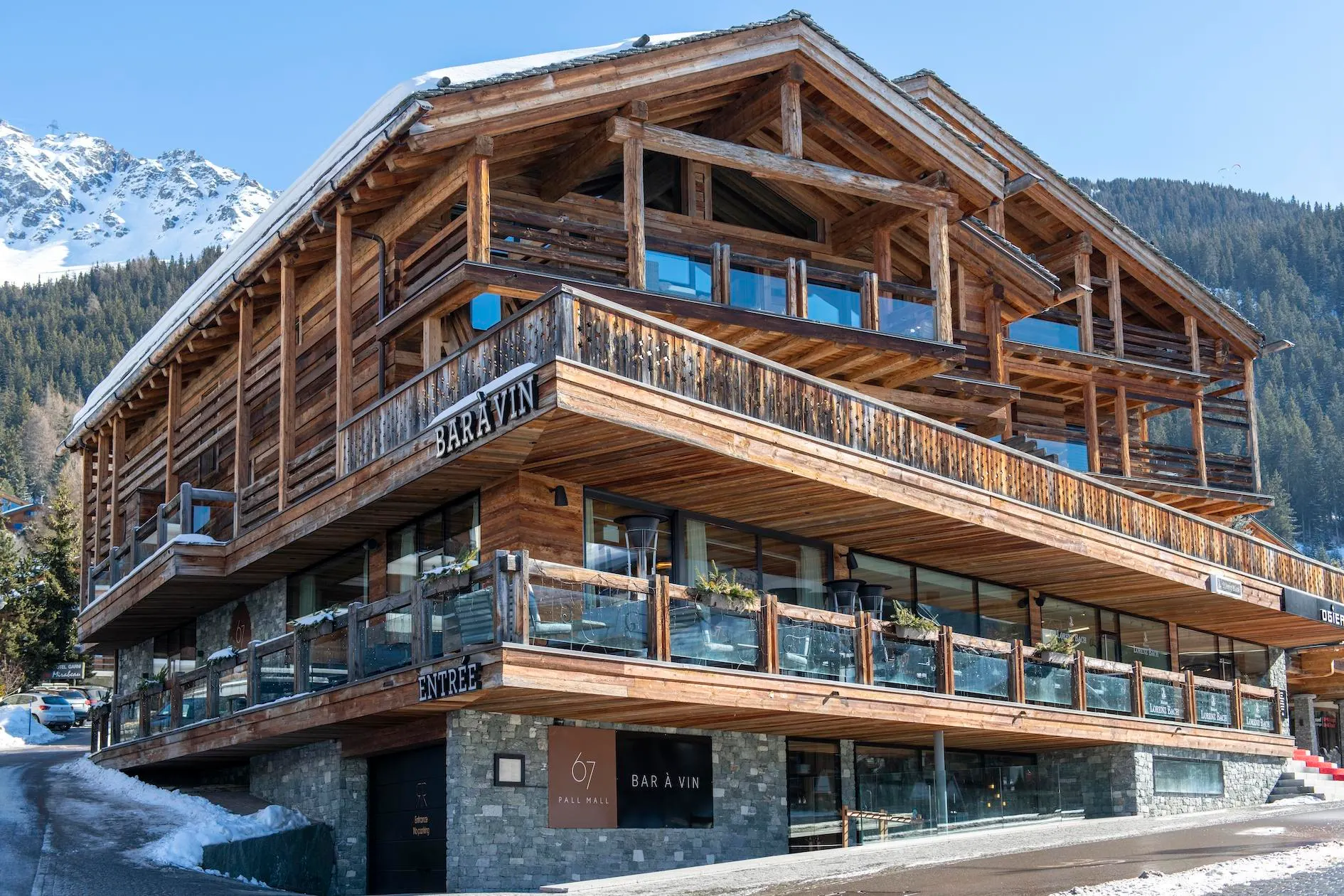
Recently we welcomed a small group of women to The Verbier Touch for an evening dedicated to women's health. It was led by our women's health specialist, Ane Torres Madrazo, and the conversation centred on something that touches almost every woman at some point, yet is still too rarely discussed with any real depth: the menopause, and what genuinely helps.
What follows is a summary of the evening, for those who joined us and for those who could not.
The changes menopause brings
Menopause affects far more than the reproductive system. The women in the room recognised many of the symptoms between them, from hot flushes and night sweats to disturbed sleep and fatigue, joint pain, changes in weight, shifts in mood, moments of brain fog, reduced libido and vaginal dryness.
These experiences are common, and yet they are often misunderstood, or quietly accepted as something to be endured. One of the themes Ane returned to throughout the evening is that this does not have to be the case. With good information, considered changes to how we live and move, and the right support, a great deal can be improved.
Why strength matters more with age
Ane spent much of the evening on strength and impact training, an approach with a strong and growing body of evidence behind it for women in midlife and beyond.
Two figures gave the room pause. In the five to seven years following menopause, women can lose up to twenty per cent of their bone density. Muscle mass, quite separately, declines by around three to eight per cent per decade from the age of thirty onwards. Left unaddressed, these changes affect mobility, balance, independence and, in time, quality of life.
The important point, and the more hopeful one, is that none of this is inevitable. Bone and muscle both respond to how we treat them, and a great deal remains within our influence.
Rethinking some common beliefs
Part of the value of the evening lay in gently setting aside a few ideas that often hold women back from training in the way that would serve them best. Among them: that the pelvic floor only becomes relevant after pregnancy; that menopause must mean becoming weaker; that impact and strength work will harm the pelvic floor; that many repetitions with light weights are always preferable; and that stronger is, in every case, better.
None of these hold up well against the science. Understanding what is actually happening in the body allows women to train more intelligently, and to see better results over the long term.
Can exercise really improve bone density?
It can. Ane shared a recent systematic review that looked at different forms of exercise and their effect on bone. After six months of structured impact and strength training, participants showed measurable improvement in bone regeneration, particularly in the lumbar spine and the hip.
It is a useful reminder that bone is living tissue. Given the right challenge, it adapts and grows stronger, at any stage of life.
Why bones need more than walking
Not every form of movement stimulates bone in the same way. Swimming and cycling offer real cardiovascular benefit, but relatively little for bone, because they place little load through the skeleton. Bone responds instead to impact and to load, through activities such as running, tennis, jumping, hopping and plyometric work.
As Ane put it during the evening, muscles like volume, and bones like impact and load. The aim is not simply to do more, but to give the body the particular kind of stimulus it needs.
The pelvic floor as part of a whole
The final theme was the pelvic floor, and here Ane was keen to move away from thinking of it in isolation. It is better understood as one part of an integrated system that includes the diaphragm above, the abdominal muscles at the front, the muscles of the back, and the pelvic floor itself.
She described it as a house, where the roof, the walls and the foundations all have to work together to provide stability and support. Seen this way, good breathing, posture and movement patterns are not separate from pelvic floor health. They are central to it, and to how well the whole body performs.
Bringing it together
The evening closed on a few thoughts worth carrying forward. Awareness comes first, because better decisions follow from understanding. The body's hormonal systems are interconnected, and are best considered as a whole rather than in parts. Chronic stress, dehydration, too much caffeine and overtraining all place strain on that balance. And strength and impact training remain reliable, well evidenced ways to protect bone, preserve muscle and support pelvic floor function through the years that follow menopause.
If any of this resonates, and you would like guidance tailored to you, Ane offers women's health physiotherapy here at The Verbier Touch. We are always glad to help you understand your own body a little better, and to move through midlife with strength and confidence.
Ready to explore women's health physiotherapy?
Book a Consultation