February 2026
Why Reformer Pilates Belongs at the Centre of Your Training
Reformer Pilates is not a recovery modality or a gentle alternative to strength training. It is a precise, demanding, and clinically sophisticated form of exercise.
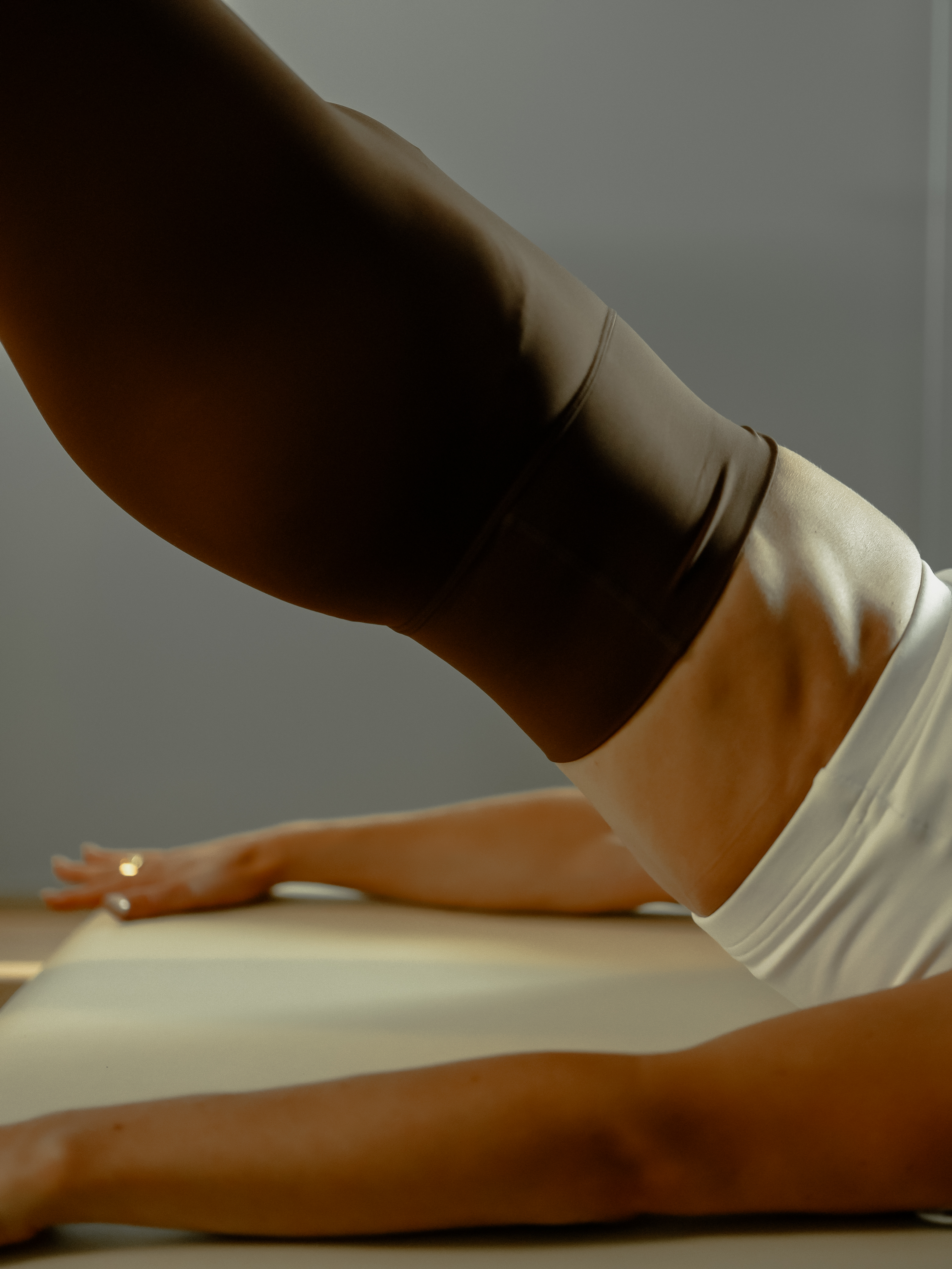
There is a tendency, in conversations about physical training, to place reformer Pilates somewhere adjacent to the serious work — valuable for flexibility, perhaps, or recovery, or the days when the body needs something gentler. This is a mischaracterisation that does a disservice both to the discipline and to the people who would benefit most from understanding it properly. Reformer Pilates is not a recovery modality or a gentle alternative to strength training. It is a precise, demanding, and clinically sophisticated form of exercise that develops the qualities — controlled movement, deep stabilisation, neuromuscular coordination, and functional strength through full range — that underpin everything else a body is asked to do.
At Verbier Touch, reformer Pilates has been a fundamental component of our rehabilitation work for many years. It is not an add-on to our physiotherapy practice. It is, in a very real sense, the environment in which a significant part of that practice happens. The opening of KOR Collective, our dedicated reformer Pilates studio in Verbier, is a natural extension of that clinical conviction — a space designed to make this quality of movement training available not only within rehabilitation but as a cornerstone of ongoing physical health for anyone who takes their body seriously.
What the reformer does that other training cannot
The reformer is a uniquely versatile piece of equipment, and its clinical value lies in a combination of qualities that are difficult to replicate elsewhere. The spring-based resistance system allows load to be adjusted with precision across a very wide range, making it equally appropriate for a patient in the early stages of post-surgical rehabilitation and an athlete training at the peak of their physical capacity. The moving carriage creates an unstable surface that demands continuous engagement from the deep stabilising musculature of the trunk, hips, and shoulder girdle — the muscles that conventional gym-based training frequently fails to reach, and whose weakness or dysfunction underlies a disproportionate number of the injuries and movement problems we see in clinical practice.
Crucially, the reformer trains movement through full range of motion under load, which is the condition under which the body actually functions — in skiing, in racquet sports, in the demands of daily life — and the condition under which weaknesses and compensations are most likely to express themselves, and most amenable to correction.
The evidence for Pilates as a clinical tool
The research base supporting reformer Pilates as a component of musculoskeletal health and rehabilitation has grown substantially over the past decade. Studies across the fields of sports medicine, orthopaedic rehabilitation, and chronic pain management have consistently demonstrated its effectiveness in improving core stability, reducing recurrence of low back pain, enhancing balance and proprioception, and supporting recovery following lower limb surgery. For women navigating perimenopause and beyond, the combination of load-bearing exercise and deep core engagement that reformer Pilates provides has particular relevance for pelvic floor function, bone density maintenance, and the management of postural changes associated with hormonal transition.
What the research reflects, and what clinical experience in a physiotherapy setting confirms, is that the benefits of reformer Pilates are not confined to a particular age group, fitness level, or presenting complaint. They are broad, they are lasting, and they compound over time in a way that rewards consistency.
Why physiotherapist-led Pilates is a different experience
There is reformer Pilates, and then there is reformer Pilates taught by physiotherapists. The distinction matters in ways that become apparent very quickly. A physiotherapist working on the reformer is not simply cueing movement — they are observing it with a clinical eye, identifying the compensations and asymmetries that emerge under load, and making adjustments that serve the individual body in the room rather than the class as a whole. For clients with a history of injury, post-surgical patients transitioning back into exercise, or anyone whose movement has been shaped by years of repetitive sport or sedentary work, this quality of oversight changes the nature of the experience and the quality of the outcome.
At KOR Collective, every class and every individual session is led by physiotherapists and practitioners working to the same clinical standards that have defined Verbier Touch for over two decades. The studio was designed from the outset to sit at the intersection of rehabilitation and high-performance movement training — a space where the clinical rigour of a physiotherapy practice and the discipline of serious Pilates work occupy the same room.
Integrating reformer Pilates into your training
For clients who already train — who ski, who lift, who run or cycle or play tennis — reformer Pilates does not replace those activities. It makes them better. The deep stability, movement control, and functional strength developed on the reformer translate directly into improved performance and reduced injury risk across every other physical pursuit. For clients who are earlier in their return to exercise, or who are building a training programme for the first time with long-term health as the primary objective, the reformer offers a uniquely safe and progressive starting point from which other forms of training can be confidently built.
Included within the KOR Collective programme is our FLOW Candlelight class — a slower, more meditative reformer experience designed for recovery, deep tissue release, and the particular quality of restoration that the end of a demanding day in the mountains, or a demanding week anywhere, sometimes requires.
KOR Collective, Verbier — Reformer Pilates led by physiotherapists
KOR Collective is located in Verbier and operates as part of the Verbier Touch and Swiss Touch group. Classes and individual sessions are available for booking directly, and bespoke programmes integrating reformer Pilates with physiotherapy and personal training can be arranged for clients seeking a fully coordinated approach to their physical health.
Ready to experience physiotherapist-led reformer Pilates?
Book a Session